The custom cable manufacturing industry is undergoing a profound transformation. Driven by evolving customer demands, regulatory pressures, and breakthrough technologies, manufacturers are rethinking everything from how cables are designed to how they're delivered. Whether you're an OEM engineer specifying the next generation of medical devices or a procurement manager sourcing industrial harnesses, understanding these trends will help you make better decisions about your cable supply chain.
1. Automation and Smart Manufacturing
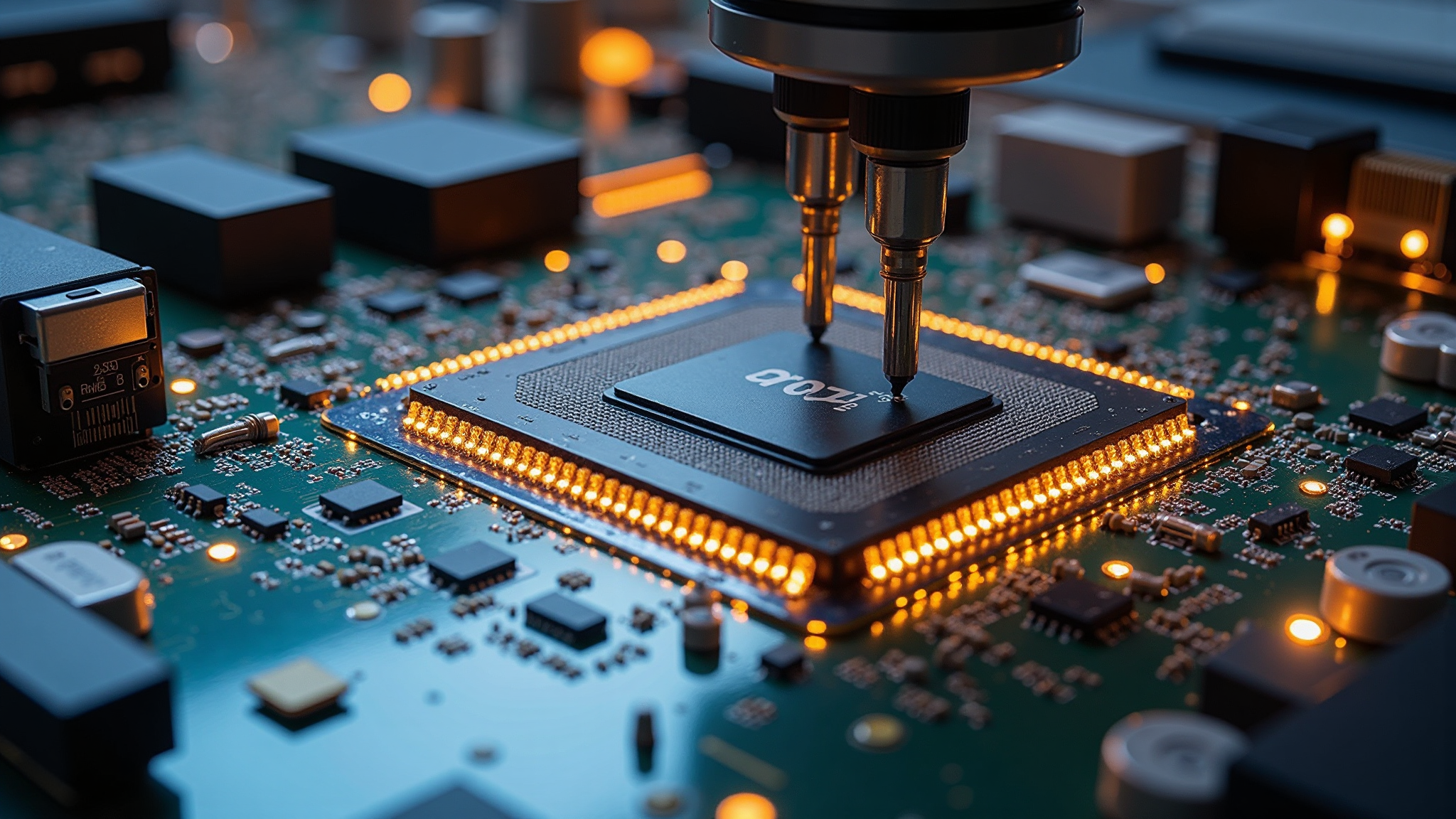
Industry 4.0 principles are rapidly penetrating the cable manufacturing floor. Automated wire cutting, stripping, and crimping machines now achieve cycle times under 2 seconds per termination — a 5x improvement over manual processes. Vision inspection systems verify every crimp in real time, catching defects that human operators might miss during high-speed production runs.
Smart manufacturing goes beyond individual machines. Integrated MES (Manufacturing Execution Systems) track every cable assembly through the production process, recording crimp forces, strip lengths, and pull-test results for full traceability. When a field failure occurs, manufacturers can trace the defective cable back to the exact machine, operator, shift, and raw material batch within minutes — a capability that was impossible just a decade ago.
For OEM customers, this means shorter lead times, more consistent quality, and lower per-unit costs — especially for production volumes above 1,000 units. Manufacturers investing in automation are also better positioned to handle demand spikes without sacrificing quality, making them more resilient supply chain partners.
2. Miniaturization and High-Density Designs
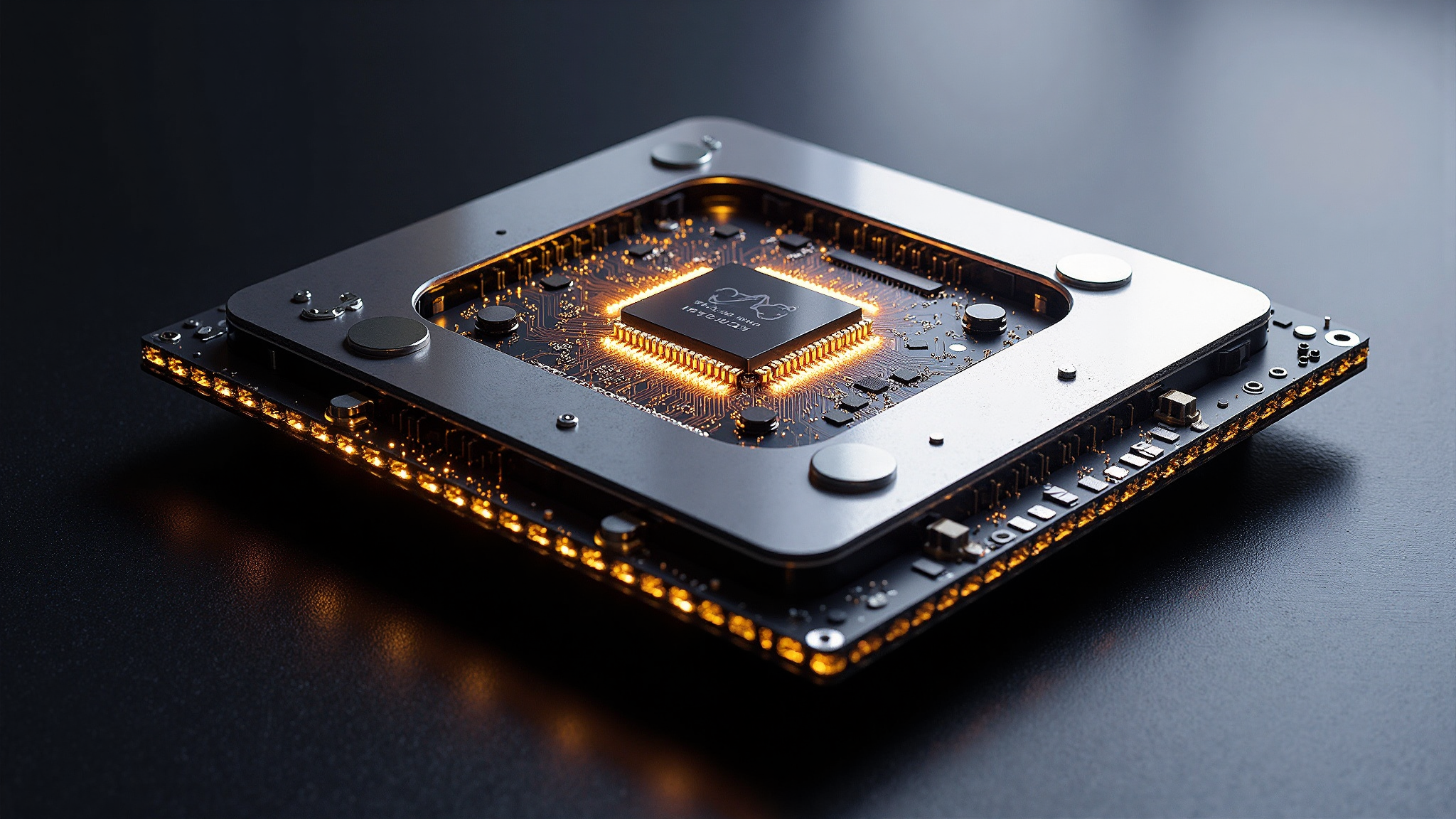
As end devices shrink — from wearable health monitors to pocket-sized test instruments — the cables connecting their internal modules must shrink too. Micro coaxial cables with outer diameters below 0.5 mm and fine-pitch connectors with 0.4 mm pin spacing are now standard offerings from leading manufacturers.
Miniaturization isn't just about making things smaller; it's about maintaining performance at smaller scales. A 0.4 mm OD micro coax must still deliver 50-ohm impedance, low insertion loss, and flexible bend radius — engineering challenges that require advanced materials and precision tooling. Manufacturers are responding with laser-cut shielding, thin-wall PFA insulation, and micro-crimping technologies that achieve reliable terminations on AWG 46 conductors.
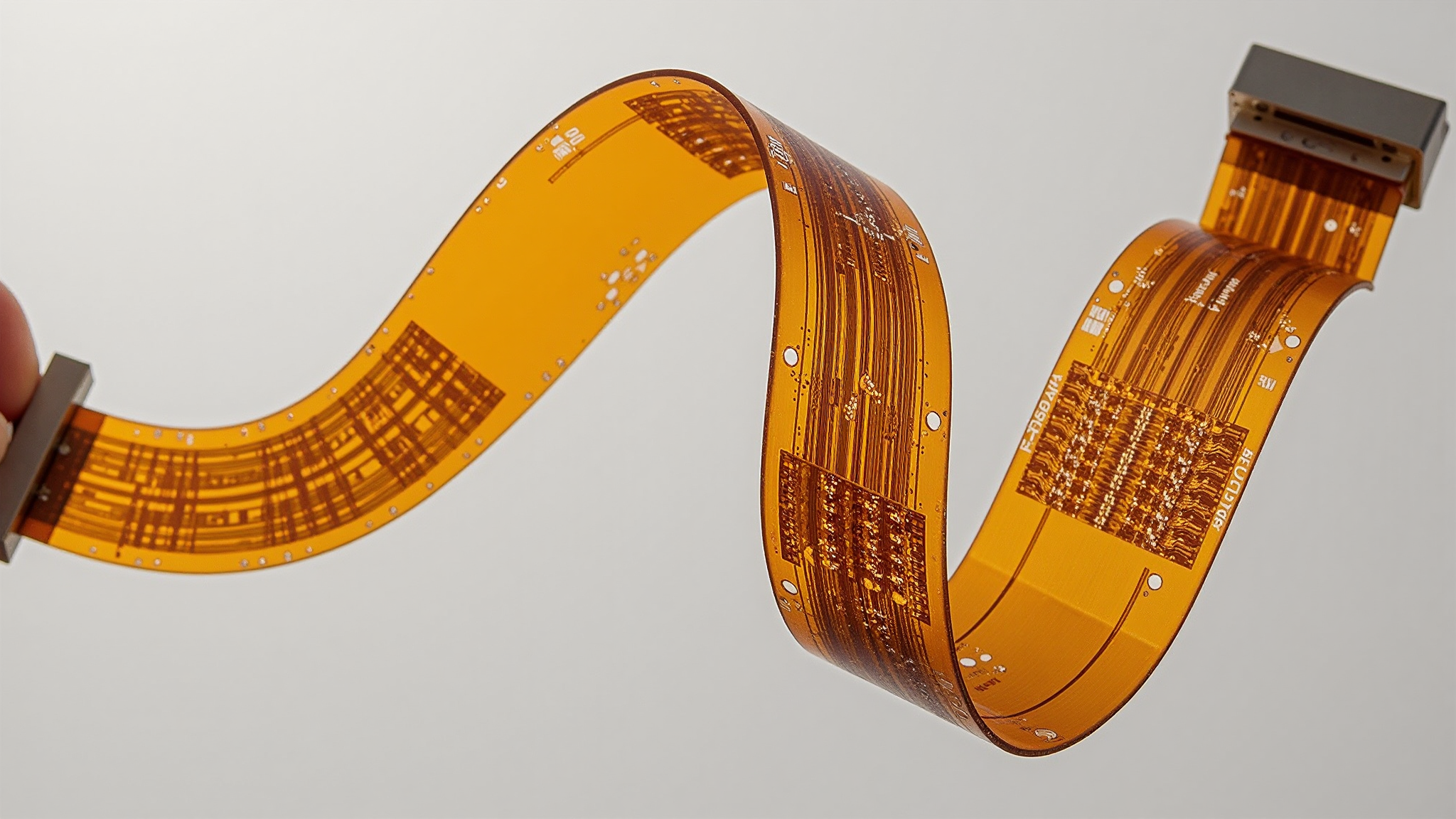
High-density designs also extend to cable harnesses. Multi-row connector systems and flat flexible cables (FFC) allow designers to route dozens of signal paths through the same cross-sectional area that a single coaxial cable occupied five years ago. This is particularly impactful in aerospace and defense applications where weight and volume savings translate directly to fuel efficiency and payload capacity.
3. Sustainable and Eco-Friendly Materials
Sustainability is no longer a nice-to-have — it's a procurement requirement. Major OEMs in automotive, consumer electronics, and medical devices now mandate that their cable suppliers demonstrate measurable progress toward environmental targets. This means halogen-free jacketing, recyclable packaging, and reduced energy consumption during manufacturing.
Material innovation is at the forefront. Bio-based PVC alternatives derived from plant oils are replacing petroleum-based compounds in non-critical applications. Low-smoke zero-halogen (LSZH) compounds, once limited to rail and mass transit, are now specified in commercial buildings and data centers where fire safety and environmental impact are both concerns.
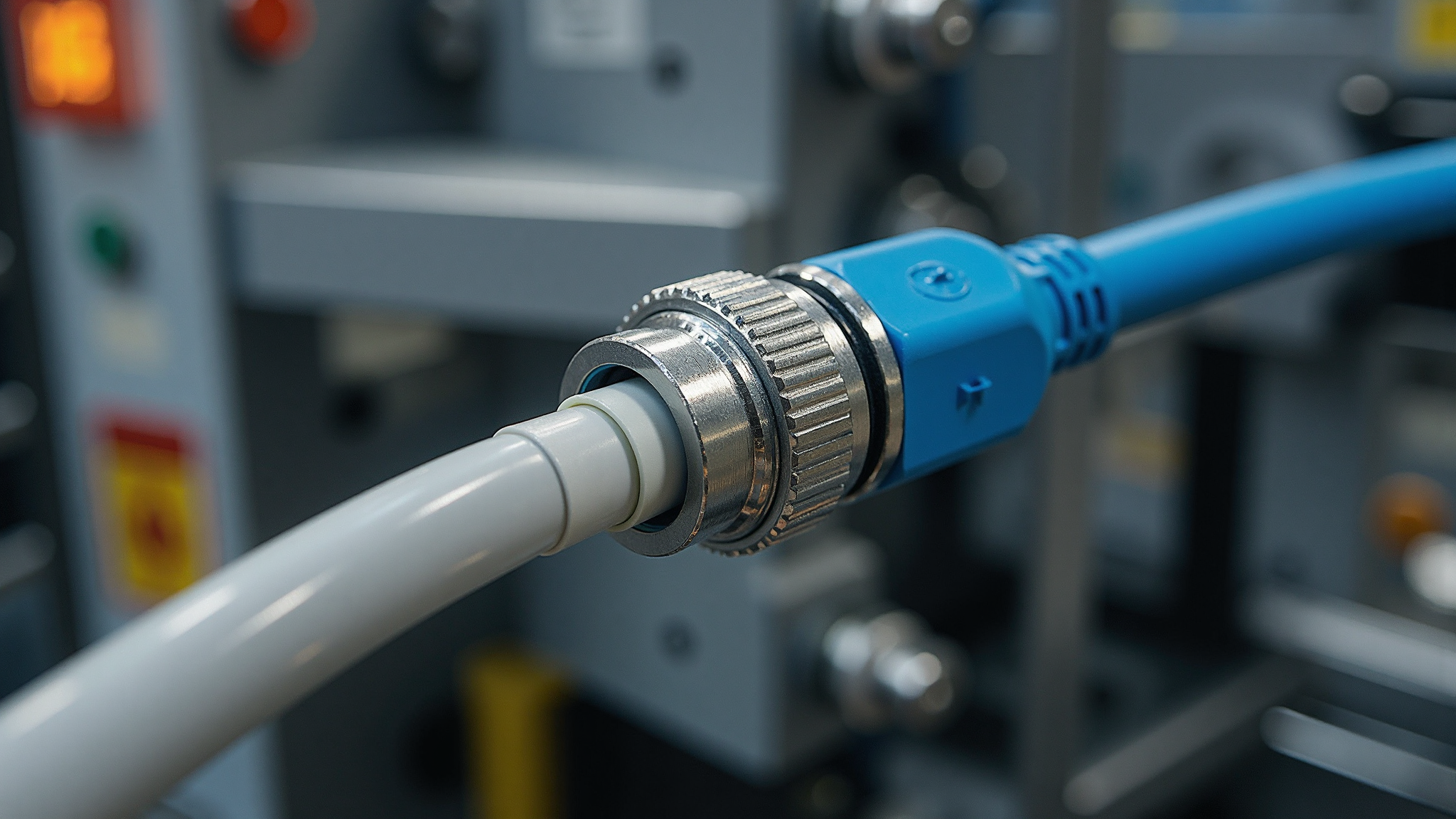
Manufacturers are also optimizing their processes for sustainability. Lean production principles reduce scrap rates from 5% to under 1%, and energy-efficient extrusion lines cut electricity consumption by 20–30%. Some forward-thinking manufacturers are pursuing ISO 14001 certification and publishing annual sustainability reports — a differentiator when competing for environmentally conscious customers.
4. Advanced Testing and Quality Control
The bar for cable quality continues to rise, driven by zero-defect expectations in safety-critical industries like medical, aerospace, and automotive. Manufacturers are investing in advanced testing technologies that go far beyond traditional continuity and hi-pot checks.
High-frequency network analyzers now measure S-parameters (insertion loss, return loss, crosstalk) on every production cable for RF and high-speed digital designs. X-ray inspection systems verify internal crimp quality non-destructively — a capability that's particularly valuable for medical and aerospace applications where destructive pull testing of sample pieces isn't sufficient.
Automated optical inspection (AOI) systems use machine learning algorithms trained on thousands of defect images to identify stripped conductor damage, insufficient crimp barrel fill, and misaligned contacts with >99.5% detection rates. These systems run at production speed, adding zero cycle time while catching defects that would escape manual visual inspection.
For customers, advanced testing means higher confidence in every shipment. Leading manufacturers now provide digital test certificates with each cable — a QR code linking to the complete test dataset for that specific serial number. This level of documentation support is increasingly required in regulated industries where traceability is a regulatory obligation, not just a best practice.
5. Digital Twin and Simulation Technology
Digital twin technology is transforming how custom cables are designed and validated. Before a single meter of cable is produced, engineers can simulate its electrical performance, mechanical flex behavior, and thermal characteristics in a virtual environment. This reduces prototype iterations from 3–4 rounds to 1–2, accelerating time-to-market by weeks or even months.
Electromagnetic simulation tools model signal integrity, crosstalk, and EMI shielding effectiveness with remarkable accuracy. Thermal simulation predicts temperature rise under load, helping designers select the right conductor gauge and insulation material before committing to a design. Mechanical simulation models cable routing through complex assemblies, identifying potential interference points and minimum bend radius violations.
Some manufacturers are taking digital twins further by creating virtual replicas of their production lines. By simulating the manufacturing process, they can optimize tooling layouts, predict wear patterns on crimp dies, and identify bottlenecks before they impact delivery schedules. This predictive capability translates to more reliable lead time commitments for customers.
The custom cable manufacturing industry is evolving rapidly, and these five trends represent the most significant shifts underway. OEMs that partner with manufacturers embracing automation, miniaturization, sustainability, advanced testing, and digital simulation will gain a competitive advantage — receiving better cables, faster, at lower cost, with full traceability. The question isn't whether these trends will reshape the industry, but how quickly your supply chain will adapt.